Sleep Isn’t Lazy, It’s Wise: How to Fix Your Sleep (Even When Hormones Are a Hot Mess)
Hey, it’s Ronai!
Let’s talk about something most people say they want… but very few people actually protect.
Sleep.
Not the “I passed out on the couch with the TV on and woke up confused at 2:30am” kind of sleep. I’m talking about real, restorative, body-repairing, brain-resetting sleep. The kind that helps your hormones balance, your brain function, your immune system recover, and your mood stay somewhere between pleasant human and not biting people’s heads off.
Because here’s the truth most people don’t realize:
Sleep isn’t just rest.
Sleep is repair.
And if your sleep is off… a lot of other things will be too.
Recently I found out that my hormones are a bit jacked right now (hello, midlife). And guess what one of the first things hormones mess with?
Sleep.
Which then messes with everything else.
So today we’re going to talk about:
• Sleep hygiene (the habits that support good sleep)
• Why hormones affect sleep so much
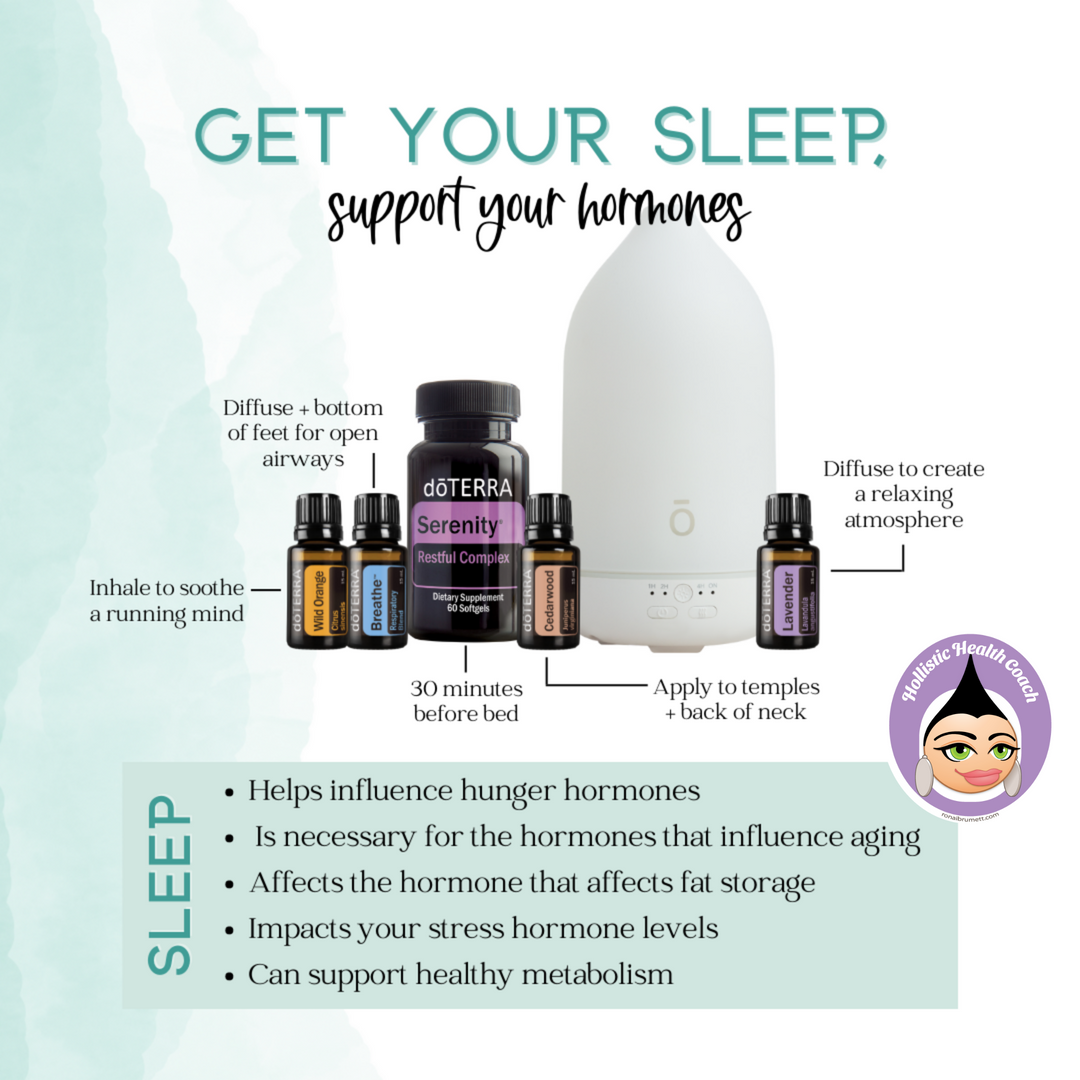
• And some doTERRA products that can actually help your body wind down
Let’s dig in.
What Is Sleep Hygiene?
Sleep hygiene has nothing to do with brushing your teeth before bed. It simply means creating habits and an environment that help your brain and body prepare for sleep. Your body runs on something called a circadian rhythm, which is basically your internal clock. This clock is controlled by:
• light exposure
• hormones
• temperature
• food timing
• stress levels
• and daily routines
When these signals get scrambled, your brain gets confused about when it should be awake and when it should be asleep. Good sleep hygiene helps your brain clearly hear the message: “Hey… it’s time to power down.”
The Science Behind Sleep (Why It Matters)
Sleep is when your body does some of its most important work. During sleep your body:
• Repairs tissues
• Regulates hormones
• Clears toxins from the brain
• Strengthens immune function
• Consolidates memory and learning
In fact, your brain has a detox system called the glymphatic system, and it works most effectively during deep sleep. When you don’t sleep well, toxins that build up during the day don’t get cleared properly. This is one reason poor sleep is linked to:
• brain fog
• memory issues
• mood swings
• increased inflammation
• weakened immunity
So yes.
Sleep is kind of a big deal.
Hormones and Sleep (The Connection No One Talks About Enough)
Here’s the part many women discover the hard way. Hormones and sleep are deeply connected. When hormones shift (hello perimenopause and menopause), sleep often becomes unpredictable. The main hormones involved include:
Melatonin
This hormone signals your body that it’s time for sleep. Light exposure, stress, and poor routines can disrupt melatonin production.
Cortisol
Your stress hormone. Cortisol should be high in the morning and low at night. When cortisol stays elevated at night, falling asleep becomes difficult.
Progesterone
This hormone has a naturally calming effect. As progesterone declines with age, many women experience increased anxiety and sleep disruption.
Estrogen
Estrogen influences body temperature, mood, and serotonin levels. Fluctuations can contribute to night sweats and insomnia.
So if your sleep suddenly feels chaotic, it may not be that you’re “doing sleep wrong.” Your hormones may just be having a moment. And yes, I’m currently walking through that season myself.
Sleep Hygiene Habits That Actually Work
Before we talk about oils and supplements, we need to talk about habits. Because no essential oil on the planet can fix terrible sleep habits. Here are some science-backed sleep hygiene practices that make a huge difference.
1. Dim the Lights at Night
Bright light signals your brain to stay awake. Two hours before bed, start dimming lights and avoiding bright screens. Blue light from phones and TVs suppresses melatonin production. Translation: your brain thinks it’s noon.
2. Keep a Consistent Sleep Schedule
Your body loves rhythm. Going to bed and waking up at roughly the same time every day helps regulate your circadian rhythm. Even on weekends. (I know… nobody likes hearing that part.)
3. Keep Your Room Cool
Your body temperature naturally drops during sleep. A cooler bedroom (around 60–67°F) supports deeper sleep.
4. Stop Eating Right Before Bed
Large meals close to bedtime can interfere with sleep by increasing metabolism and digestion.
Try to stop eating 2–3 hours before bed when possible.
5. Create a Wind-Down Routine
Your brain needs signals that the day is ending. Some great options include:
• stretching
• reading
• journaling
• prayer or meditation
• a warm bath
Consistency trains your brain to associate these activities with sleep.
Now let’s talk about some of my favorite tools. doTERRA has a sleep system that works beautifully when paired with good sleep habits.
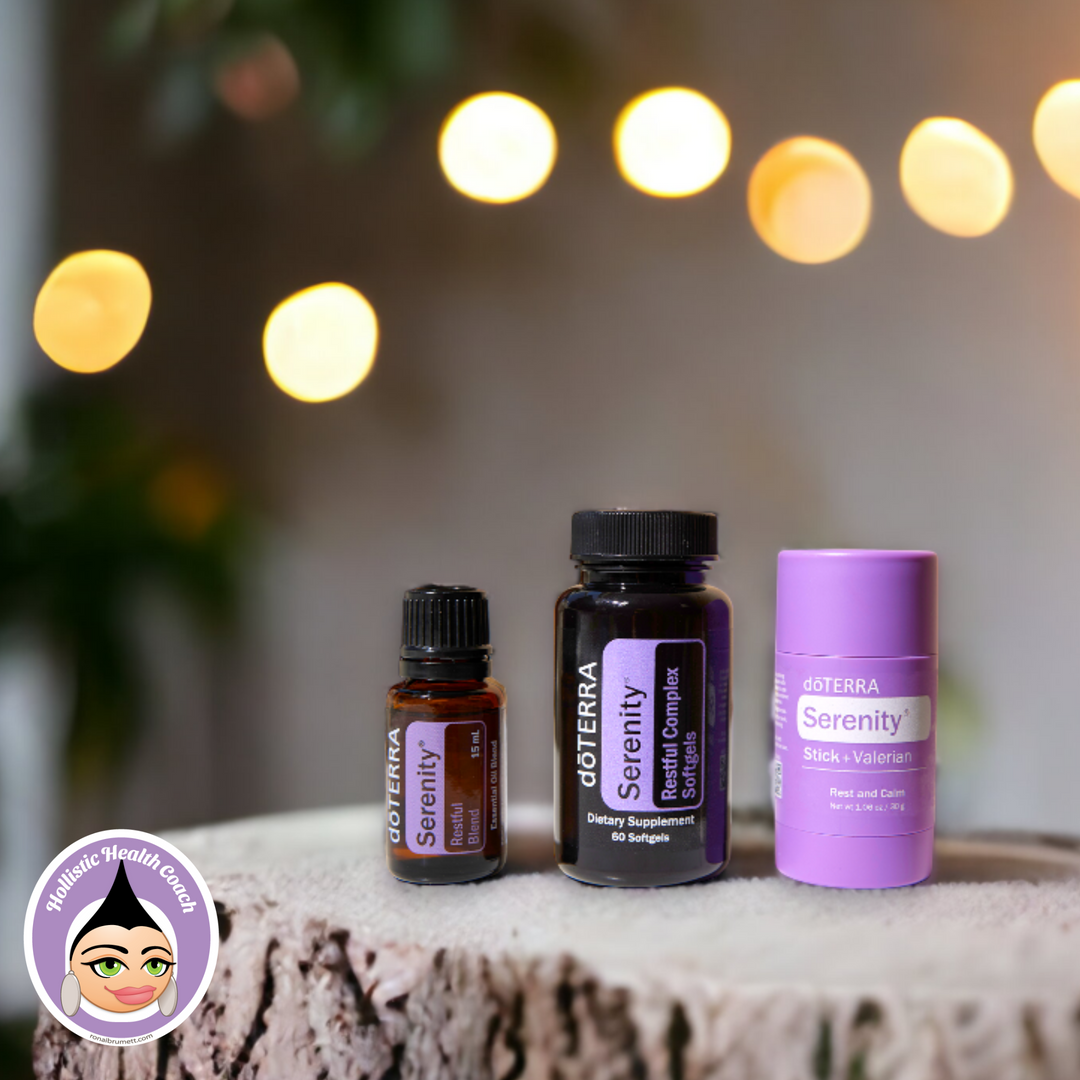
doTERRA Serenity Essential Oil
Serenity is designed specifically to promote relaxation. It contains calming oils like:
• Lavender
• Roman Chamomile
• Sandalwood
• Vetiver
• Ylang Ylang
These oils work with the limbic system (the emotional center of the brain) to encourage relaxation and reduce nervous system stress.
Ways to use Serenity:
• Diffuse it 30 minutes before bed
• Apply to the bottoms of your feet
• Place a drop on your pillow
Serenity Softgels
The Serenity Softgels combine essential oils with relaxing botanicals. These softgels include ingredients known to support calm and relaxation, making them helpful for people whose minds race at night. They can help promote a sense of calm so falling asleep becomes easier.
Serenity Stick
The Serenity Stick is one of my favorite nighttime tools. You simply apply it to your wrists, neck, or chest before bed. It contains valerian, which is well known for its relaxing properties.
I personally love this one because when I use it, my body almost feels heavy in the best possible way. Not groggy. Just deeply relaxed. And that is exactly what you want when you’re trying to fall asleep.
What If Serenity Isn’t Your Jam?
Here’s the thing… not everyone loves the same oils. And your body will often tell you what it needs. So if Serenity isn’t your go-to, there are some beautiful alternatives that support sleep both physically and emotionally.
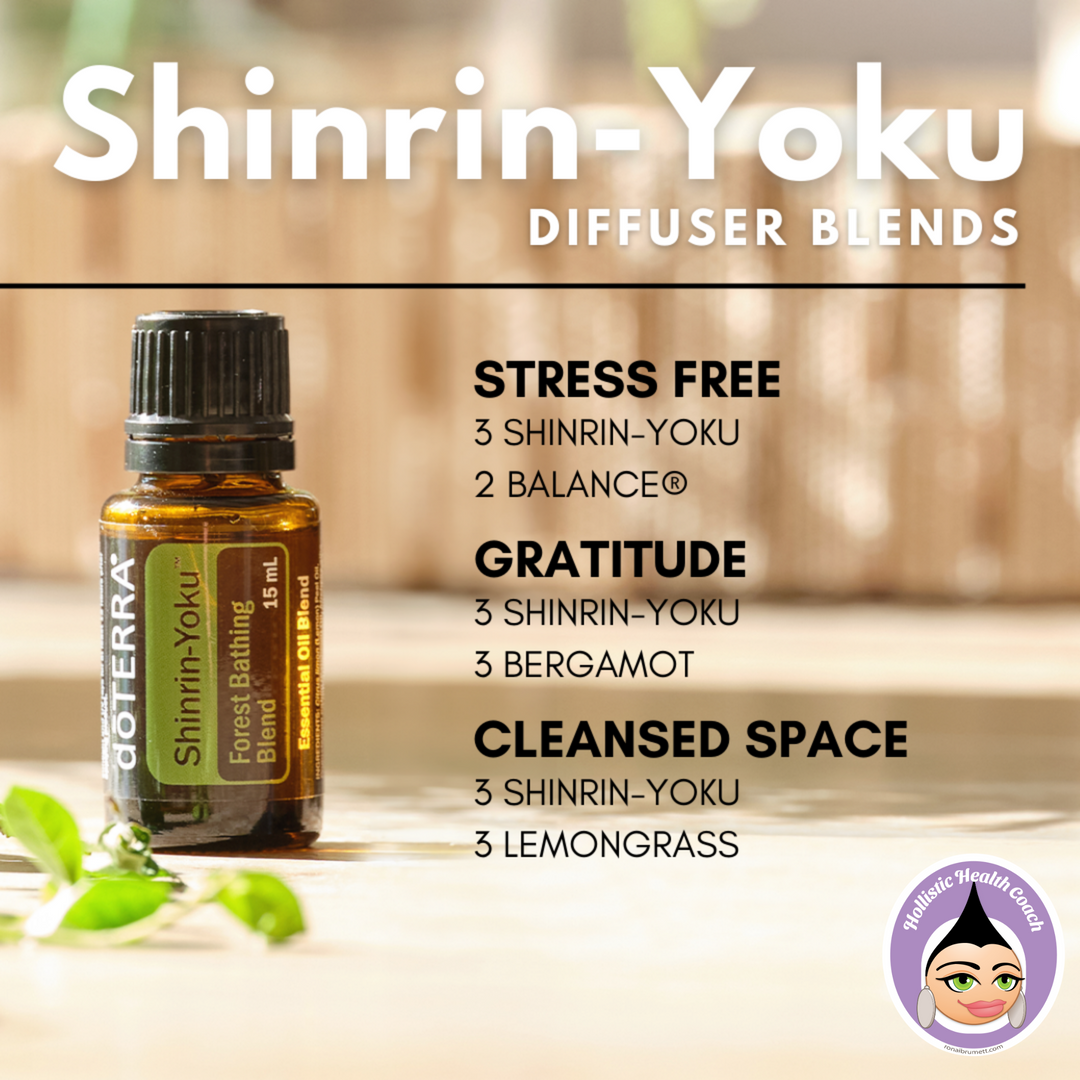
Shinrin-Yoku (The Oil of Immersion)
This blend is inspired by forest bathing, and there are actually studies showing that forest environments can lower cortisol, reduce stress hormones, and support parasympathetic nervous system activation.
Physical support:
• Helps lower stress hormones like cortisol
• Supports deeper breathing and oxygen flow
• Encourages nervous system regulation
Emotional support:
• Grounds you
• Helps you feel safe and supported
• Creates that “deep exhale” feeling your body needs before sleep
If your brain feels overstimulated or you’ve been “on” all day, this one is like walking into a quiet forest at sunset.
Cedarwood (The Oil of Community)
Cedarwood is incredibly calming for the nervous system and is often associated with feelings of connection and belonging.
Physical support:
• Promotes relaxation and sedation through its effect on neurotransmitters
• May support melatonin production
• Helps calm the body into a rest state
Emotional support:
• Eases feelings of loneliness or disconnection
• Creates a sense of safety and groundedness
• Helps your body settle instead of staying on alert
This is a great one if your nervous system feels like it’s still “waiting for something to happen.”
Juniper Berry (The Oil of Night)
Juniper Berry is beautiful for nighttime support, especially when sleep is disrupted by fear, stress, or overthinking.
Physical support:
• Supports detox pathways, which can help the body relax at night
• Calming to the nervous system
• Can help reduce restlessness
Emotional support:
• Helps release fear and emotional heaviness
• Supports those dealing with night terrors or anxious dreams
• Creates a sense of protection and peace
Pairing this with the Peace Blend can be especially powerful for calming nighttime anxiety.
Vetiver (The Oil of Centering and Descent)
Vetiver is one of my absolute favorites for sleep, especially if your brain just won’t stop talking.
Physical support:
• Deeply grounding to the nervous system
• Helps slow brain wave activity
• Supports deeper, more restorative sleep
Emotional support:
• Calms mental chatter
• Helps you feel anchored and present
• Supports emotional regulation
If you’re laying there replaying conversations from 2007… Vetiver might be your new best friend.
There are a few additional lifestyle habits that support sleep quality.
• Daily movement
Exercise helps regulate circadian rhythms and improves deep sleep.
Just try to avoid intense exercise too close to bedtime.
• Hydration
Dehydration can increase cortisol levels and disrupt sleep patterns.
Drink enough water throughout the day.
• Stress management
High stress keeps the nervous system in “fight or flight.”
Practices like prayer, deep breathing, gratitude journaling, and time outside can help calm the nervous system.
The Bottom Line, sleep is not a luxury. It’s a biological necessity. If your sleep has been off lately, don’t panic.Start with the basics:
• Improve sleep hygiene
• Support your nervous system
• Be aware of hormone shifts
• Use supportive tools like essential oils
Small changes can make a big difference. And if your hormones are currently doing the cha-cha like mine are… Give yourself some grace. Your body may simply need a little extra support right now.
Your body was designed to heal, restore, and reset every night. Sometimes we just have to create the environment that allows it to do what it was designed to do.
Good sleep isn’t lazy.
Good sleep is wise.
If you’d like help building a sleep support routine using doTERRA products, feel free to reach out or join one of my wellness classes.
I’d love to help you create a routine that works for you.
Sleep well, friends.
Ronai


