It’s February… I’m so ready for summer!! A Real Talk Guide to Starting Seedlings
Hey, it’s Ronai.
If you live in Minnesota, February plays tricks on you. The sun shines for two days
straight and suddenly you are reorganizing your basement for seed trays. You can’t
plant outside yet. But you can start seeds.
And honestly? It is one of my favorite ways to shake off the winter funk.
Let’s talk about how to do this in a way that works for you. Not perfect. Not expensive.
Just practical and sustainable.
First: Timing Is Everything
Most seed packets say “Start indoors 6 to 8 weeks before last frost.”
In Minnesota, that usually means mid May is our safe zone.
So:
Tomatoes and peppers can start late March to early April
Broccoli and cabbage can start a little earlier
Squash and cucumbers should wait
If you start too early, you will have giant, stressed plants staring at you while there is still
snow outside.
Been there.
Your Basic Setup
You really only need:
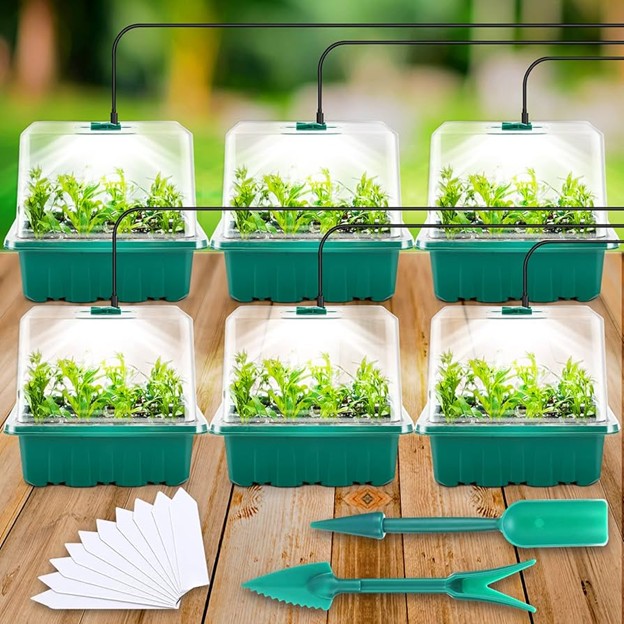
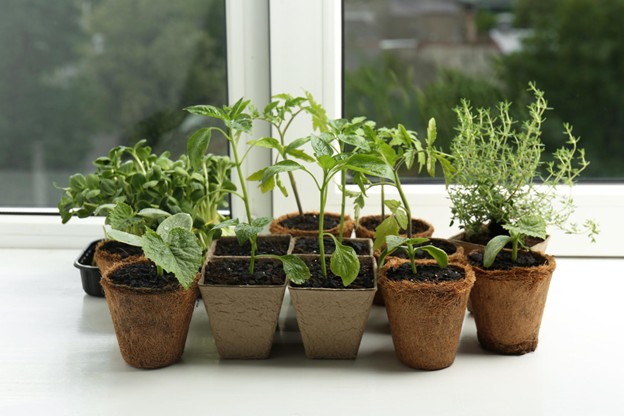
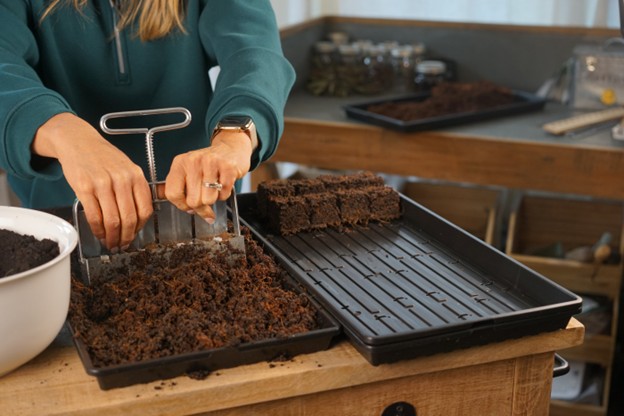
Seed starting mix
Containers with drainage
Bright light
Warmth
Gentle watering
That’s it.
Now let’s make it interesting.
DIY Compostable Pots
Because sometimes you do not want more plastic in your life.
1. Newspaper Pots
You can roll newspaper around a jar or can, fold the bottom in, and make a little
biodegradable pot.
Pros:
Free
Compostable
Can plant directly into the ground
Cons:
Can fall apart if overwatered
They are simple and they work beautifully for short term seedlings.
2. Toilet Paper Roll Pots
Cut four slits on one end, fold inward to create a base, fill with soil.
Pros:
Reuses what you already have
Good for larger seeds like peas
Cons:
Limited root depth
These are surprisingly sturdy for early starts.
3. Egg Cartons
Cardboard egg cartons make great mini starters.
Just remember:
Transplant sooner rather than later so roots do not get cramped.
Seed Snails
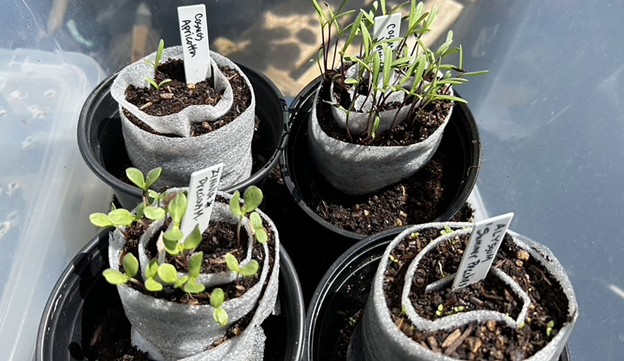
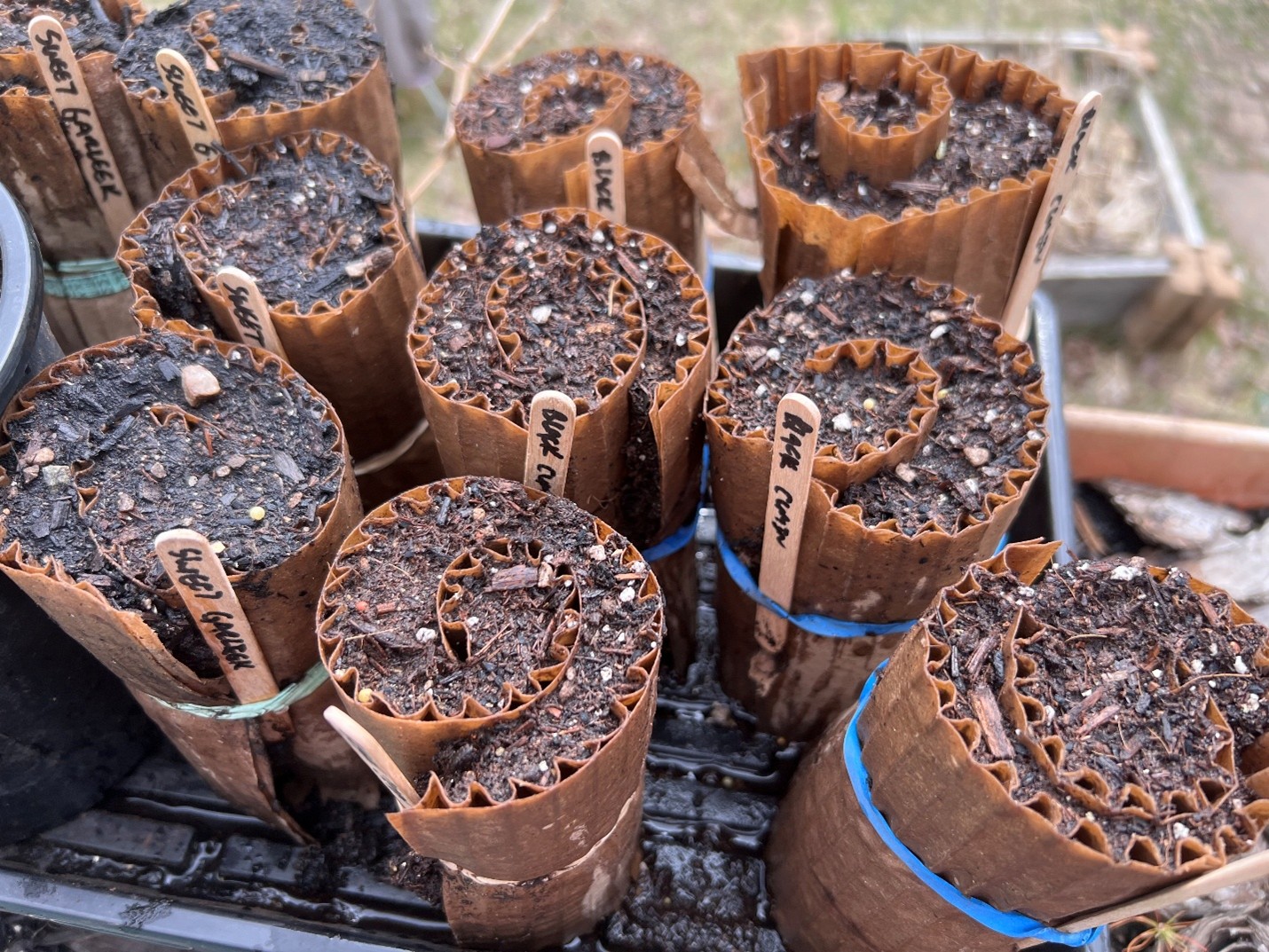
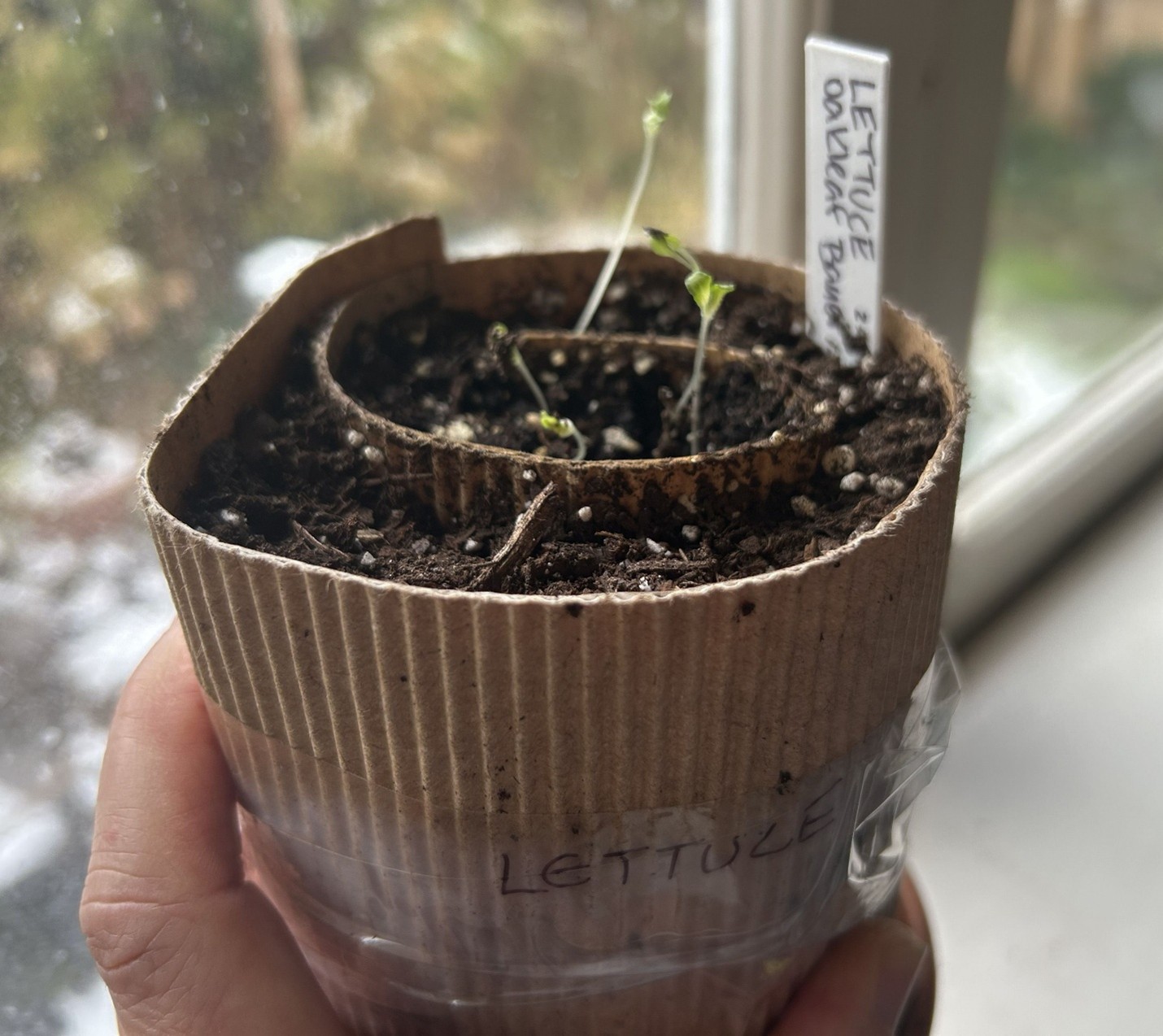
And yes… seed snails.
If you have not seen this method, it is exactly what it sounds like.
You:
Lay out a strip of plastic or damp paper towel
Spread a thin layer of soil
Place seeds along one edge
Roll it up like a cinnamon roll
It stands upright in a container, and the seedlings grow out of the spiral.
Pros:
Saves space
Easy to monitor germination
Roots are easy to separate when transplanting
Cons:
Can dry out quickly
Requires gentle handling
It is efficient and oddly satisfying.
Light, Water, and Reality
Seedlings need strong light. Twelve to sixteen hours per day. If they stretch tall and
lean, they are not being dramatic. They need more light. Water from the bottom when
possible. Keep soil damp, not soaked.
And label everything.
Everything.
Because tiny green sprouts all look the same at first.
Find What Works for You
Some people love shelves and timers and full grow light systems. Some people love
newspaper pots and kitchen counters. Some people try seed snails once and decide
never again.
There is no perfect method. The right system is the one you will actually maintain.
For me, I love anything that:
Feels connected to the earth
Uses what I already have
Makes me feel like spring is coming
Starting seeds in February reminds me that growth is already happening, even when
snow is still on the ground.
Tiny green leaves under a grow light feel like a promise.
Next up, we should probably talk about hardening off. Because that is where a lot of
beautiful seedlings meet their dramatic end.
For now…
Are you rolling newspaper pots?
Trying seed snails?
Or keeping it classic with trays and lights?


